Am I Too Old to Become a Pilot?
Published by: Sammy Shlapak
You are not the first person to stand near the ramp, watch a training airplane taxi by, and wonder whether the moment has already passed. Maybe you are in your 30s, 40s, 50s, or beyond. Maybe you have a full-time job, a family calendar, and a quieter version of the same question you had years ago: could I still become a pilot?
For many adults, the honest answer is yes you can. Age alone is usually not what decides it. Your goal, medical eligibility, training pace, budget, and long-term timeline matter more than the number on your driver’s license. At Speedway Flight Training, we help students turn that question into a practical training plan, whether the goal is a Private Pilot Certificate, a career change, or a first step through a Discovery Flight.
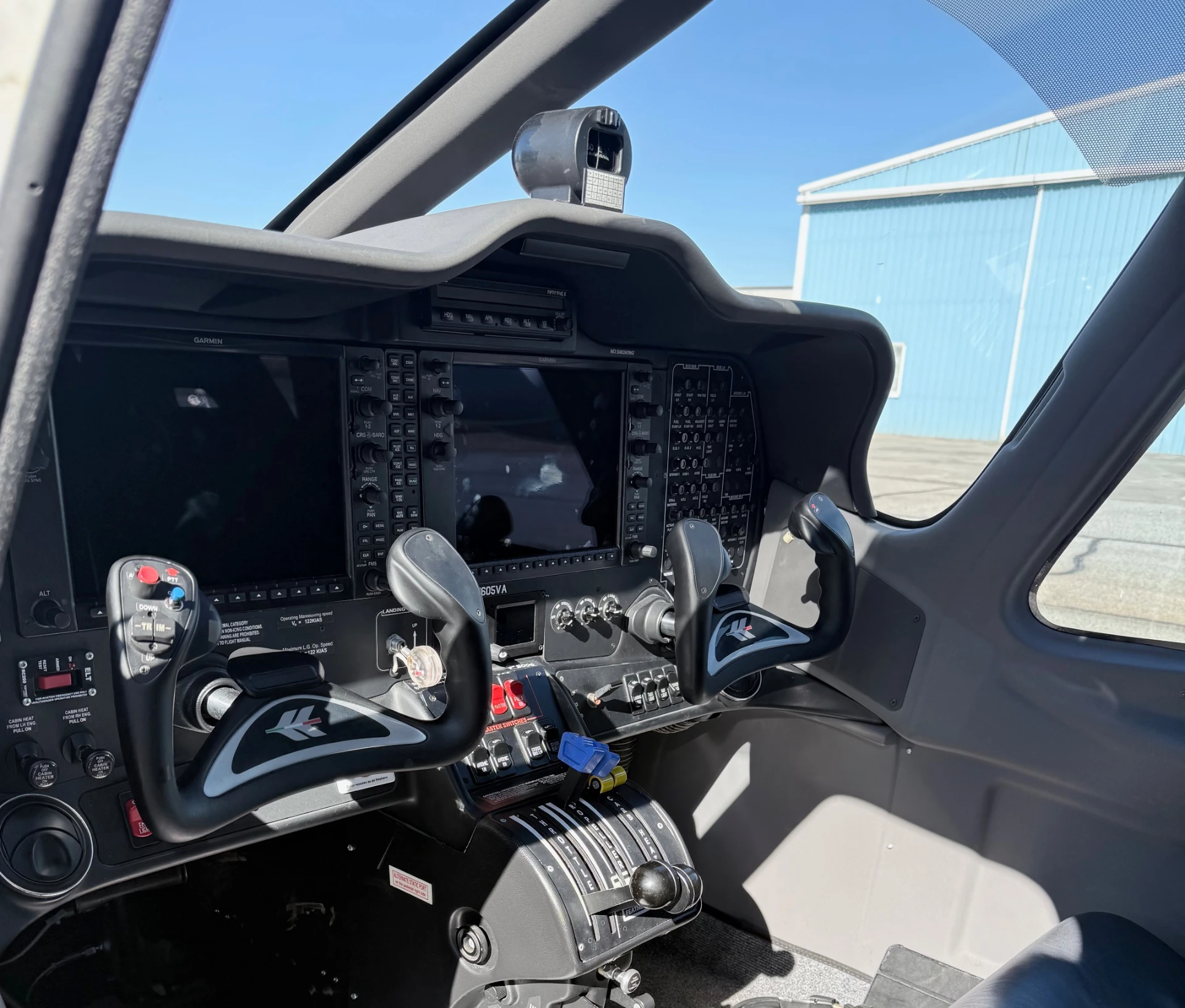
You can start with a real cockpit experience before choosing a full training path.
Age Is Usually a Planning Question
The FAA sets minimum ages for pilot certificates, but there is no broad FAA maximum age for most pilot goals. For example, an airplane private pilot applicant generally must be at least 17, and student pilot solo eligibility has its own requirements.
The major age-related exception is airline flying under Part 121. The FAA explains that there are no FAA age limits for pilots except for commercial airline pilots employed by Part 121 airlines, and Part 121 airline service has an age 65 limit. You can read the FAA’s plain-language answer here: What is the maximum age a pilot can fly an airplane?
That means your age question should begin with your goal:
| Your Goal | How Age Affects the Plan |
|---|---|
| Fly for yourself with a Private Pilot Certificate | Age is usually less important than medical eligibility, consistency, and training fit. |
| Add instrument or commercial training | Age matters mainly through schedule, budget, and how often you can train. |
| Pursue a professional pilot path | Age becomes part of the career timeline, especially if the airlines are the target. |
If your dream is personal flying, the door may be much more open than you think. If your dream is the airlines, we still start with possibility, then build a realistic timeline from today to the milestones ahead.
Medical Eligibility Deserves an Early, Calm Look
The first practical checkpoint is often the FAA medical process. That does not mean you should self-disqualify because you wear glasses, take medication, or have a medical history. It means you should handle the question early and with the right professional.
The FAA says there are no minimum or maximum ages for obtaining a medical certificate. Medical eligibility is individual, and an Aviation Medical Examiner is the right person to help you understand your situation.
Most powered-airplane students should address medical certification before they invest heavily in training, because a medical certificate is typically needed before solo unless another FAA-recognized qualification applies. We covered the process in more detail in our FAA medical process guide.

Medical questions are best handled early so your training plan can stay clear and focused.
Your Goal Changes What “Worth It” Means
One student may want to fly family trips, enjoy weekend aviation, and finally earn the certificate they have wanted for years. Another may be looking at a full career change. Those are both valid, but they need different plans.
If your goal is personal flying, the Private Pilot Certificate is the foundation. Speedway offers an accelerated option as well as a flexible self-paced path, so the conversation is not only “Can I do this?” It is “What pace can I sustain well?”
If your goal is a professional path, a common sequence is private pilot, instrument rating, commercial pilot, flight instructor certificates, hour building, and later ATP eligibility for airline-track roles. Our Fast Track to the Flight Deck program is built for students who want a structured route through major career-track milestones. Timelines vary by proficiency, schedule, weather, aircraft availability, and training consistency, so we treat speed as a planning tool, not a promise.
Here is the more useful way to frame the decision:
| Question | Why It Matters |
|---|---|
| Do you want to fly for personal reasons or as a career? | It determines whether the first milestone or the long-term timeline matters most. |
| Can you train consistently? | Regular lessons usually help adults build rhythm and retain skills. |
| Have you addressed the medical question? | It prevents avoidable surprises before solo or career planning. |
| Have you planned the investment? | Training is easier to sustain when cost, financing, and schedule are discussed early. |
Adult Students Often Bring Real Strengths to Training
Older students sometimes worry that younger learners have the advantage. Younger students may have more open calendars, but adult learners often bring strengths that matter in the cockpit: patience, responsibility, communication habits, and respect for preparation.
A good pilot is not simply someone with fast hands. A good pilot learns to brief the flight, manage workload, use checklists, communicate clearly, and make sound decisions when plans change. Those habits can be familiar territory for adults who have led teams, raised families, managed businesses, served in demanding jobs, or built careers outside aviation.
Our instructors help students build those habits one lesson at a time. The early wins are concrete: a better preflight, a smoother radio call, a more stable approach, a sharper debrief. Confidence grows because the process becomes less mysterious.

Adult learners often bring discipline, preparation, and decision-making habits into flight training.
Cost and Schedule Should Be Part of the First Conversation
Flight training is a real investment. Pretending otherwise does not help students make good decisions. The better approach is to look at the path honestly: aircraft time, instructor time, ground training, testing, supplies, medical steps, and the schedule you can protect.
That is why financing belongs in this conversation. Speedway partners with Stratus Financial for flight training financing options, and you can review the starting point on our financing page. Financing approval and loan terms are individual, but exploring options early can help you compare an accelerated plan with a slower, pay-as-you-go rhythm.
For some adults, the best plan is an intensive season of training. For others, it is a steady weekly schedule that fits work and family life. The strongest plan is the one you can actually maintain.
A Discovery Flight Turns the Question Into Evidence
There is only so much you can solve by reading about flying. At some point, the question becomes physical: How do you feel in the cockpit? Can you picture yourself learning the radio, the checklist, the sight picture, and the rhythm of a lesson?
A Discovery Flight is built for that moment. You fly with a certified instructor, experience the training environment, and get a clearer sense of whether aviation still feels like a dream or is ready to become a plan. You do not need to have every answer before that first flight.
Afterward, we can help you think through the next step: private pilot training, a career-track route, medical timing, financing, and the schedule that fits your life. That conversation is where “Am I too old?” becomes “What is the right way for me to start?”
FAQs About Starting Pilot Training Later in Life
Can I learn to fly in my 40s or 50s?
Yes, many adults begin flight training in midlife. Your medical eligibility, consistency, and goals matter more than age alone. If you are starting with personal flying, begin by looking at the Private Pilot Certificate path.
Am I too old to become an airline pilot?
Not automatically, but airline goals need timeline planning because Part 121 airline pilots face an age 65 limit. Your starting age, training pace, medical eligibility, hour building, and hiring environment all shape the plan. Our Fast Track program can help career-focused students compare milestones.
Should I get my FAA medical before starting lessons?
You can take introductory lessons before holding a medical certificate, but most airplane students should address medical certification early, especially before investing heavily. Start with our FAA medical guide and consult an AME for personal eligibility questions.
Is flight training harder for older students?
It can be different, but not automatically harder. Adults often need to plan around work and family, yet they may bring strong preparation, discipline, and decision-making skills. A consistent schedule and a good instructor relationship make a major difference.
Can I finance flight training as an older student?
Financing may be available depending on your situation. Speedway works with Stratus Financial, and our flight training financing page is a practical place to start comparing options.
Start With One Flight
If the age question has been sitting in the back of your mind for years, you do not have to solve the whole future today. Start with one clear next step. Book a Discovery Flight at Speedway Flight Training, meet the environment, and leave with a better answer than doubt can give you.