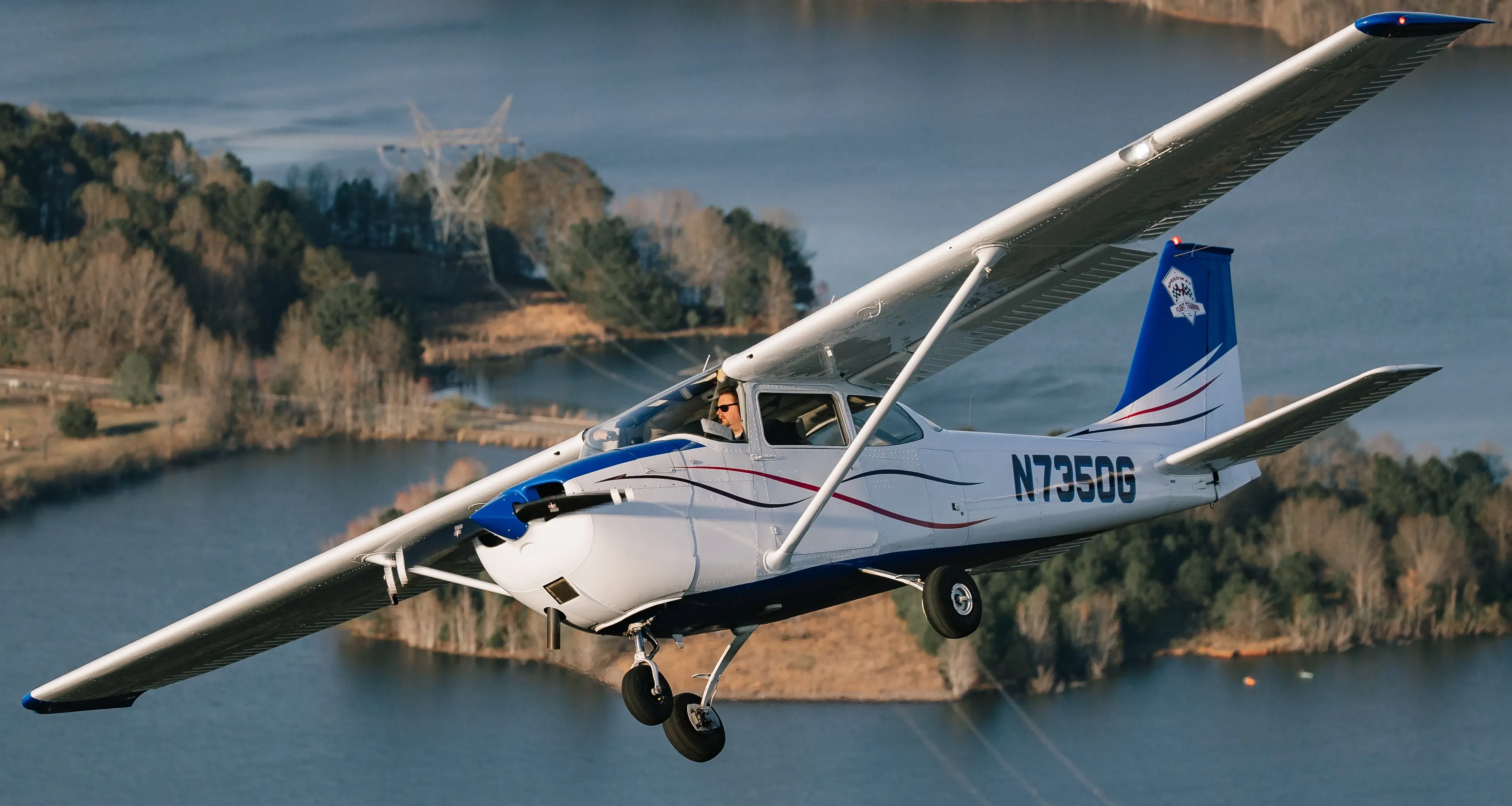
Aviation Safety Standards and How Speedway Flight Training Puts Them Into Practice
Published by: Eric Schafhauser
Aviation Safety Starts With Clear Standards
Aviation is one of the safest forms of transportation in the world. That safety does not happen by chance. It comes from clear rules, strong habits, and careful training.
At Speedway Flight Training, safety standards guide every lesson, every flight, and every decision. From the first day a student walks into the hangar, safety is part of the learning process.
What Are Aviation Safety Standards
Aviation safety standards are rules and best practices set by the Federal Aviation Administration. These standards cover how aircraft are maintained, how pilots are trained, and how flights are planned and flown.
Some examples include:
- Required aircraft inspections and maintenance
- Weather minimums for training flights
- Instructor oversight for student pilots
- Clear procedures for emergencies
These standards exist to reduce risk and keep pilots prepared for real world situations.
How Speedway Applies Safety Standards in Training
Safety rules only matter if they are followed every day. At Speedway Flight Training, safety is built into normal operations.
Structured Training From Day One
Students follow a clear training plan based on FAA standards. Lessons are taught in the right order, so skills build step by step. No one is rushed into advanced flying before they are ready.
Thorough Preflight Inspections
Every flight begins with a full preflight inspection. Students learn how to check fuel, oil, controls, and overall aircraft condition. Instructors teach students to slow down and pay attention to details.
Well Maintained Aircraft
Aircraft are kept on a regular maintenance schedule. If something does not look or feel right, the aircraft does not fly. This teaches students that safety always comes before schedule.
The Advantage of Training at KHMP
Speedway operates at Atlanta Speedway Airport in Hampton, Georgia. This airport supports safety focused training in several ways.
Less Traffic, More Focus
KHMP is a non towered airport with lighter traffic than major airports. This allows students to learn without constant pressure. Instructors can focus on skills, decision making, and awareness.
Real World Experience Without Overload
Students still train near busy Atlanta airspace. They learn radio communication, airspace rules, and traffic awareness without being overwhelmed early in training.
Teaching Smart Decision Making
Aviation safety is not just about flying the airplane. It is about making good choices.
At Speedway, students learn:
- When weather is not good enough to fly
- How fatigue affects performance
- Why it is okay to cancel a flight
- How to speak up when something feels wrong
These lessons help students become safe pilots, not just skilled ones.
Safety Is a Habit, Not a One Time Lesson
Safety training does not stop after the first few lessons. Instructors review safety topics before and after flights. Students are encouraged to ask questions and talk through mistakes.
This creates a learning environment where safety is normal, expected, and respected.
Training With Safety in Mind
Aviation safety standards exist to protect everyone in the air and on the ground. At Speedway Flight Training, those standards are part of daily training, not just rules in a book.
If you are thinking about learning to fly, choosing a school that values safety is one of the most important decisions you can make.
Ready to train in a safety focused environment?
Schedule a Discovery Flight and learn how Speedway Flight Training helps students build safe habits from the very first lesson.